Physical Address
23,24,25 & 26, 2nd Floor, Software Technology Park India, Opp: Garware Stadium,MIDC, Chikalthana, Aurangabad, Maharashtra – 431001 India
Physical Address
23,24,25 & 26, 2nd Floor, Software Technology Park India, Opp: Garware Stadium,MIDC, Chikalthana, Aurangabad, Maharashtra – 431001 India
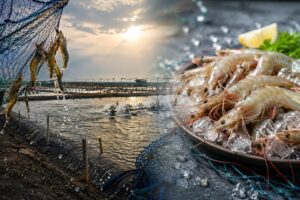
Ecuador’s booming shrimp industry has become a major success story in global seafood trade, supplying shrimp to markets across North America, Europe, and Asia. However, behind this economic growth lies an escalating environmental concern. Conservationists, scientists, and coastal communities are warning that the rapid expansion of shrimp farming is threatening Ecuador’s mangrove ecosystems, which are vital coastal forests that support biodiversity, protect shorelines, and sustain local livelihoods.
The debate highlights a growing challenge faced by many developing nations: how to balance export-driven economic growth with the protection of natural ecosystems. As international demand for shrimp continues to rise, questions are being raised about the long-term environmental costs of intensive aquaculture.
Mangroves Under Pressure from Expanding Shrimp Farms
Over the past decade, Ecuador has emerged as one of the world’s leading shrimp exporters. Rising global demand has fueled a sharp increase in production, making shrimp one of the country’s most valuable export commodities. While the industry generates significant income and employment, environmental groups argue that this growth has come at a considerable ecological cost.
Mangrove forests, which line Ecuador’s Pacific coast, are among the ecosystems most affected. These unique coastal wetlands provide habitat for fish, crabs, shellfish, and numerous bird species. They also act as natural buffers against storms, flooding, and coastal erosion. For generations, local communities have relied on mangroves for harvesting shellfish such as black-shelled cockles, an important source of food and income.
Residents in several coastal regions report that areas once rich in shellfish have diminished as shrimp farms have expanded. According to environmental advocates, portions of mangrove forests have been cleared or altered to make way for aquaculture ponds. Historical studies suggest that Ecuador lost a substantial share of its mangrove cover during previous decades of shrimp industry expansion, and concerns persist that destruction continues despite legal protections.
Researchers note that the impacts are not limited to the direct removal of trees. Shrimp farming often involves the construction of ponds, embankments, and water channels that can alter natural tidal flows. These changes may affect soil conditions and water circulation, disrupting the ecological processes that mangroves depend upon. Over time, such disturbances can weaken mangrove health and reduce their ability to support wildlife.
Scientists and local organizations have also raised concerns about water quality. Wastewater discharged from shrimp ponds may contain excess nutrients and organic matter, which can accumulate in surrounding waterways. Elevated nutrient levels can affect aquatic ecosystems and potentially alter the delicate balance of coastal habitats. Community members have reported observing signs of environmental stress, including changes in water conditions and occasional declines in fish populations.
Balancing Economic Growth and Environmental Protection
The shrimp industry rejects claims that responsible producers are driving widespread environmental degradation. Industry representatives argue that healthy ecosystems and good water quality are essential for successful shrimp production. They contend that poor environmental management would ultimately harm shrimp health and reduce profitability, giving producers a strong incentive to operate sustainably.
In recent years, parts of the industry have promoted sustainability programs, improved farm management practices, and restoration efforts aimed at reducing environmental impacts. Supporters of the sector argue that technological improvements and stricter standards can help meet global demand while minimizing damage to sensitive ecosystems.
Nevertheless, environmental groups maintain that enforcement remains a major challenge. Monitoring hundreds of shrimp farms spread across coastal regions requires significant resources, and critics argue that regulatory agencies often lack sufficient personnel and funding. To counter the loss of mangrove habitat, restoration projects have been launched in several coastal areas. Volunteers and community groups have planted thousands of mangrove seedlings in an effort to rehabilitate degraded ecosystems. While these initiatives offer hope, experts caution that restoring mature mangrove forests is a slow process. Newly planted mangroves may take years to establish, and restored areas often cannot immediately replicate the ecological functions of long-standing natural forests.
The situation in Ecuador underscores a broader global dilemma. As seafood consumption rises worldwide, the pressure to increase aquaculture production is likely to grow. Mangrove ecosystems, however, provide services that extend far beyond local communities. They store significant amounts of carbon, support fisheries, preserve biodiversity, and protect coastlines from extreme weather events.
Finding a sustainable path forward will require stronger environmental oversight, transparent supply chains, and continued investment in conservation. For Ecuador, the challenge is not simply about producing more shrimp; it is about ensuring that economic gains do not come at the expense of ecosystems that are essential for both nature and human well-being. The future of the country’s mangrove forests may depend on how successfully these competing priorities can be balanced.
References:
https://pmc.ncbi.nlm.nih.gov/articles/PMC9576054
https://www.sciencedirect.com/science/article/pii/S0048969726000641
Banner Image: AI-generated
Sections of this article may have been developed with the assistance of artificial intelligence tools to support research, drafting, and language refinement. All information has been reviewed, edited, and verified by the author/editor to ensure accuracy, context, and editorial integrity. The responsibility for the final content, interpretations, and conclusions rests solely with the publisher.