Physical Address
23,24,25 & 26, 2nd Floor, Software Technology Park India, Opp: Garware Stadium,MIDC, Chikalthana, Aurangabad, Maharashtra – 431001 India
Physical Address
23,24,25 & 26, 2nd Floor, Software Technology Park India, Opp: Garware Stadium,MIDC, Chikalthana, Aurangabad, Maharashtra – 431001 India

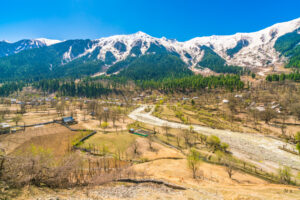
Kashmir is witnessing an unusual and worrying winter as the region records nearly a 40 per cent shortfall in rainfall and snowfall, triggering concerns over water availability, agriculture, and long-term climate resilience. The significant deficit has raised fears that the valley may experience one of its driest winters in recent years, with impacts likely to extend well beyond the cold season.
A Sharp Decline in Winter Precipitation
Weather data indicate that Kashmir has received far less precipitation than normal since the onset of winter. Both rainfall in the plains and snowfall in higher reaches — critical components of the region’s hydrological cycle — have been markedly below average. Typically, winter precipitation replenishes rivers, streams, groundwater reserves and soil moisture, laying the foundation for water security during the warmer months.
Meteorological experts attribute the deficit largely to the absence of sustained western disturbances, the weather systems responsible for bringing rain and snow to the western Himalayan region. So far, only weak and infrequent disturbances have passed over the valley, resulting in minimal snowfall in the mountains and dry conditions across most inhabited areas.
A Repeating Pattern of Dry Winters
The current situation is not an isolated event. Over the past several years, Kashmir has experienced increasingly erratic winter weather, with dry spells becoming more common. Adequate snowfall, once a defining feature of the region’s winters, has become inconsistent. Scientists link this trend to changing climate patterns that are altering atmospheric circulation and moisture movement across the Himalayas.
Such shifts are particularly concerning for a region that depends heavily on winter snow and rain for its annual water supply. Reduced precipitation weakens the natural buffering system that traditionally protected Kashmir from summer water shortages.
Growing Pressure on Water Resources
The most immediate consequence of a dry winter is stress on water availability. Snowmelt from higher altitudes feeds rivers and reservoirs during spring and summer. When snowfall is inadequate, river flows diminish earlier in the year, affecting drinking water supply, irrigation, and hydropower generation.
Urban centres and rural communities alike may face water shortages if precipitation levels do not improve. Springs and wells, already under pressure due to changing land use and climate stress, are particularly vulnerable during prolonged dry periods.
Agricultural and Horticultural Risks
Agriculture and horticulture, which sustain a large share of Kashmir’s population, are especially at risk. Apple orchards, the backbone of the valley’s economy, require sufficient winter chill hours to ensure healthy flowering and fruiting. Reduced snowfall and higher winter temperatures can disrupt this natural cycle, leading to lower yields and poorer quality produce.
Seasonal crops also depend on winter soil moisture for early growth. A rainfall deficit could force farmers to rely more heavily on irrigation, increasing costs and placing further strain on limited water resources.
Wider Economic and Social Impacts
Beyond farms and orchards, the dry winter poses challenges for other sectors. Winter tourism, which relies on snowfall for activities such as skiing and scenic travel, may suffer if snow remains scarce. Reduced tourist activity can affect local livelihoods and businesses that depend on seasonal visitors.
Public health and environmental experts also warn that prolonged dry conditions can worsen air quality, increase the risk of forest fires in surrounding areas, and place additional stress on ecosystems already adapting to climate change.
Experts emphasise that Kashmir’s rainfall deficit reflects broader climatic changes unfolding across the Himalayan region. Rising temperatures, unpredictable precipitation, and shifting seasonal patterns are becoming increasingly evident. These changes complicate planning for water management, agriculture, and disaster preparedness.
What lies ahead?
While weather forecasts may still bring occasional precipitation, the current shortfall highlights the urgent need for long-term adaptation strategies. Improved water conservation, climate-resilient farming practices, and stronger monitoring of weather patterns will be essential to reduce vulnerability.
Kashmir’s dry winter serves as a stark reminder that climate variability is no longer a distant concern but a present-day challenge demanding immediate attention and coordinated action.
References:
https://www.tribuneindia.com/news/j-k/kashmir-records-40-rainfall-deficit-dry-winter-looms
https://pmc.ncbi.nlm.nih.gov/articles/PMC9076366
https://unesdoc.unesco.org/ark:/48223/pf0000181993
Banner Image: Photo on Freepik by jannoon28