Physical Address
23,24,25 & 26, 2nd Floor, Software Technology Park India, Opp: Garware Stadium,MIDC, Chikalthana, Aurangabad, Maharashtra – 431001 India
Physical Address
23,24,25 & 26, 2nd Floor, Software Technology Park India, Opp: Garware Stadium,MIDC, Chikalthana, Aurangabad, Maharashtra – 431001 India
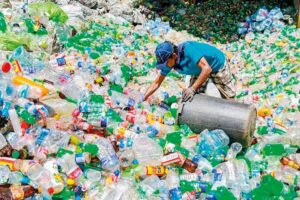
World Environment Day 2025, celebrated on June 5, is themed “Beat Plastic Pollution.” This global campaign, led by the UN Environment Programme, encourages communities worldwide to address the plastic pollution problem. Plastic pollution is a massive global issue: each year, an estimated 19–23 million tons of plastic leak into rivers, lakes and oceans. In Sri Lanka, these concerns are very real.
From city streets to rural beaches, disposable plastics are becoming impossible to ignore. Single-use plastics are items designed for brief use and then disposal. Common examples include plastic shopping bags, water bottles (made from PET), food wrappers and packaging (such as yoghurt cups, snack packets, and sachets), disposable cups, plates, straws, and cutlery. Plastic bottles and bags alone make up two-thirds of our plastic litter. Locally, environmental groups note that the most common waste items are large plastic bottles, yoghurt containers, food wrappers, milk packets, meal boxes, polyethene bags, sachet packets, and other types of packaging. More details can be read here.
In Sri Lanka and globally, 90% of single-use plastics and 50% of all plastics come as packaging materials. More details can be read here.
How challenging is the situation?
The scale of plastic waste in Sri Lanka is startling. The Ministry of Environment’s 2024 inventory estimates that Sri Lankans generate approximately 250,000 tonnes of plastic waste each year – roughly 11 kilograms per person. Shockingly, only about 11% of this is recycled. That means most plastic is thrown away. Approximately 181,000 tonnes (73%) are collected through formal and informal channels, but 69% of all plastic waste (approximately 172,000 tonnes) remains unmanaged – either dumped, burned, or left to leak into the environment. In practical terms, this means that millions of plastic bags, bottles, and packages end up in poorly controlled dumps, rivers, or the ocean every year. On the coasts, plastic is especially problematic. The Marine Environment Protection Authority (MEPA) estimates that 1,500 tonnes of plastic trash flow into Sri Lanka’s coastal waters annually. Isolated island beaches are covered in plastic – for example, debris on Mannar Island’s shores increased by 40% over five years. Cities contribute too: densely populated Colombo alone generates about half of the country’s waste, and with its heavy use of disposables, the city’s trash often clogs drainage systems. During monsoon rains, these debris block canals and drains, exacerbating flooding. (Studies note that urban areas worldwide account for roughly 75% of plastic waste, so Sri Lanka’s cities feel this global trend firsthand.)
Consequences for Nature and People
Plastic pollution in Sri Lanka has significant environmental, health, and socio-economic impacts. Marine creatures suffer first. A scientific survey found that 87% of Sri Lankan sea turtles had ingested plastic. Seabirds similarly mistake plastic bits for food, and global experts estimate millions of marine animals die each year due to plastic. On land, wildlife such as elephants, deer, and livestock ingest plastic waste from landfills and fields, causing sickness and often leading to death. In Trincomalee, dozens of deer died from plastic poisoning few years ago, which even led the government to ban open dumping near wildlife reserves.
Human health is also at risk. Burning plastic – a common practice when waste piles up – releases toxic fumes. Experts note that burning PVC plastic emits dioxins and furans, highly toxic compounds linked to lung disease and cancer. Even chemicals leaching from plastics are worrisome: everyday items can release additives like phthalates and Bisphenol A (BPA) as they break down, and these chemicals have been linked to hormone disruption and skin irritation. Over time, microplastics enter our food and water; one estimate suggests that a person ingests tens of thousands of microplastic particles per year, with unknown health effects.
There are also clear social and economic costs. Dirty beaches threaten Sri Lanka’s booming tourism. Holiday spots like Unawatuna and Mirissa, once famous for their pristine sand, now often have littered shores; surveys show that 85% of tourists choose a destination based on cleanliness. “We are losing tourism due to dirty beaches,” warned local activists.
Fishing communities worry too: plastic in the ocean can kill fish and coral, undermining livelihoods. Rural residents suffer when dumps encroach on farms, and when plastic piles breed mosquitoes (increasing dengue risk). Flood damage is made worse by blocked drains, leading to increased property loss and health hazards in towns. In short, plastic pollution hurts Sri Lankans’ health, incomes and natural heritage.
Community Stories: Impacts and Responses
Across Sri Lanka, grassroots groups and communities are both feeling the pain and fighting back. For example, on coastal Mannar Island, fishermen report an ever-increasing amount of plastic washing ashore, with nets tangled in debris – a 40% increase in beach litter over five years. There were instances in Puttalam District, local women formed recycling cooperatives to collect plastic from villages and turn it into reusable goods. (One UN project highlighted women “leading the way” in recycling, and showed community meetings to combat plastic and create income.) In cities, volunteers regularly organise Sri Lanka Clean-Up campaigns on World Environment Day and other events to clear trash from beaches and roadways. The surge in awareness is evident: Sri Lankans joined the global #BeatPlasticPollution movement, and national media now report frequently on our plastic problem. Environmental NGOs, such as the ZeroPlastic Movement, have mobilised thousands of volunteers to educate citizens. The industry is responding as well: Sri Lanka’s largest plastic recycler, Eco Spindles, expanded its capacity to process PET bottles and even launched a smartphone app, allowing people to find nearby collection bins. Its CEO notes that Sri Lankans throw away about 300 million PET bottles each month (roughly 1,500 tonnes), but only recycle around 20% of them. He urges better planning: “We need an elaborate waste management strategy… to manage PET plastics,” he says
Policies and Initiatives
The government has taken some steps to address plastic pollution. In 2006, Sri Lanka banned thin polythene bags, and since 2017, a series of broader bans have been introduced. Today, the manufacture or sale of plastic cutlery, straws, and decorative balloons is prohibited, and even importing plastic food containers, cups and plates was banned in 2021. Those moves were partly spurred by public outcry over wildlife deaths: after dozens of deer and elephants died from plastic poisoning, officials placed strict rules on where garbage can be dumped and what plastic products can be used. In 2018, Sri Lanka also joined UNEP’s CleanSeas campaign, pledging to ban many single-use items and make its coasts “pollution-free” by 2030.Despite these bans, all those items can still be found shops, supermarkets and etc. So, It`s clear policies have not been implemented.
Sri Lanka unveiled its National Action Plan on Plastic Waste Management (2021–2030). This plan adopts circular economy principles (the “3Rs” – Reduce, Reuse, Recycle). It sets concrete targets: for example, 80% of all plastic waste should be collected and recycled by 2025(this year- but has not reached the target yet), and certain single-use items should be phased out (an 80% reduction goal was set for problematic plastics). The plan also commits to introducing Extended Producer Responsibility (EPR) schemes, meaning manufacturers would help pay for the collection and recycling of their products, and to reduce the plastic content in packaging. These goals are ambitious, but implementation is very poor.
With effect from 1st of October 2023, Sri Lanka banned several key single-use plastic items including drinking straws, single-use plates, cups, spoons, forks and knives, plastic garlands and etc. However despite the ban, still those items can be found in the shops throughout the country.
Outside government, local initiatives are growing. The city of Galle launched a “Plastic Waste-Free City” program with schools, fishers and hotels pledging to reduce waste. The IGES research institute notes that this community-driven approach is a model for other cities. Waste banks are also expanding, where individuals can exchange sorted plastic for cash or essential items. NGOs, schools, religious groups and businesses hold regular cleanup drives on rivers, beaches and roadsides. For more details on policies, refer to this report.
Expert Comments
Speaking to us, Nissanka De Silva, the founder of the Zero Plastic Movement in Sri Lanka, highlighted ongoing issues with plastic pollution despite existing laws.
He pointed out that although several single use plastic items—such as lunch sheets, plastic straws, and single-use plastic decorations—are legally banned in Sri Lanka, enforcement remains weak. “You can still find these items in shops all over the country,” he said.
Citing previous surveys conducted by the Centre for Environmental Justice, De Silva noted that millions of lunch sheets, polythene bags, and PET bottles continue to be released into the environment.
He criticised the lack of action from government institutions, such as the Central Environmental Authority, accusing them of disregarding the issue. According to him, authorities often cite reasons such as a shortage of officers and insufficient resources to justify their inaction.
“The laws are already in place, but there’s no proper enforcement mechanism,” he stressed.
“Instead of using single-use plastic items, we can go for alternatives that serve our purposes. That`s the leading solution to avoid plastic pollution.”, he added.
De Silva clarified that their movement is not against the use of plastic itself. “We are not opposing plastic or its use,” he said. “What we advocate for is preventing plastic from contaminating the environment or the human body, as that is disastrous.”
Banner Image: The Island Online https://island.lk/jumbo-problem-sri-lankas-battle-with-plastic-pollution/

Comments are closed.






inhouse pharmacy domperidone: lamotrigine pharmacy – pharmacy viagra malaysia
precision rx pharmacy: Pharm Express 24 – save on pharmacy
pink viagra for women: VGR Sources – viagra pills cheap online
canada drug pharmacy viagra: VGR Sources – viagra tablet 150 mg
canadian pharmacy viagra 200 mg: sildenafil generic coupon – order viagra paypal
brand viagra 100mg [url=https://vgrsources.com/#]VGR Sources[/url] where to get sildenafil
sildenafil tablets 100mg for sale: viagra cost usa – otc viagra australia
cheapest soft viagra soft on line: buy cheap viagra online from india – best price for genuine viagra
viagra for sale in canada: VGR Sources – can i buy viagra without prescription
https://vgrsources.com/# generic sildenafil 20 mg cost
sildenafil 48 tabs 50 mg price: VGR Sources – female viagra mexico
sildenafil 20mg online prescription: VGR Sources – where is the best place to buy viagra online
where can i find viagra: sildenafil purchase canada – pfizer viagra for sale
how to order viagra without a prescription: VGR Sources – viagra 25mg for sale
https://vgrsources.com/# online viagra paypal
sildenafil mexico: sildenafil 100mg usa – buy discount viagra
cheap viagra: VGR Sources – sildenafil 50 mg cost
cost of genuine viagra: VGR Sources – sildenafil citrate generic
generic sildenafil pills: where can you buy viagra over the counter in australia – generic sildenafil online uk
purchase viagra usa: sildenafil citrate 50mg tab – canadian pharmacy sildenafil 100mg
viagra 50mg generic: sildenafil 20 mg discount coupon – viagra alternative
sildenafil canada over the counter [url=https://vgrsources.com/#]viagra for women price[/url] order viagra soft
https://vgrsources.com/# price of viagra 100mg in canada
viagra pill 100mg: 20 mg sildenafil 689 – best price viagra 50 mg
can you buy viagra in australia: viagra-50mg – sildenafil citrate canada
how to purchase viagra in uk: where to buy women viagra – 100mg sildenafil coupon
best female viagra tablet in india [url=https://vgrsources.com/#]where can you get female viagra[/url] buy generic sildenafil
viagra price online india: sildenafil 100mg cheap – generic viagra cheapest price
buy female viagra pills: VGR Sources – viagra without prescriptions
cheap viagra for sale canada [url=https://vgrsources.com/#]buy viagra mastercard[/url] where to purchase sildenafil
viagra prescription uk: viagra suppliers – mail order viagra
https://vgrsources.com/# can i buy viagra online in australia
100g viagra: sildenafil coupon 50 mg – cheap viagra generic 100mg
viagra 500: viagra uk where to buy – viagra from australia
purchase female viagra [url=https://vgrsources.com/#]viagra 100mg online buy india[/url] female viagra pills
sildenafil 10mg tablets: cheap female viagra online – viagra cost in mexico
20 mg sildenafil cost: where can you buy female viagra pill – sildenafil citrate tablets vs viagra
buy brand viagra: VGR Sources – how to get real viagra online
viagra soft gel [url=https://vgrsources.com/#]VGR Sources[/url] generic viagra best online pharmacy
sildenafil online: purchase sildenafil pills – online viagra from india
female viagra online buy: average cost of generic viagra – viagra india online pharmacy
https://vgrsources.com/# buy real viagra cheap
Обязательная сертификация в России необходима для защиты прав потребителей, так как минимизирует риски опасной или некачественной продукции на рынок.
Система сертификации основаны на федеральных законах , таких как ФЗ № 184-ФЗ, и регулируют как отечественные товары, так и ввозимые продукты.
сколько стоит отказное письмо Документальное подтверждение гарантирует, что продукция соответствует ГОСТам безопасности и не повлияет негативно людям и окружающей среде.
Также сертификация усиливает конкурентоспособность товаров на международном уровне и способствует к экспорту.
Развитие системы сертификации учитывает современным стандартам, что укрепляет экономику в условиях рыночных требований .
sildenafil citrate tablets 100 mg: how much is viagra 50 mg – viagra 25mg price in india
viagra on line [url=https://vgrsources.com/#]VGR Sources[/url] order sildenafil
female viagra tablet price: cost of viagra 2018 – buy generic viagra online australia
Access detailed information about the Audemars Piguet Royal Oak Offshore 15710ST here , including price trends ranging from $34,566 to $36,200 for stainless steel models.
The 42mm timepiece showcases a robust design with selfwinding caliber and water resistance , crafted in rose gold .
Used Audemars Piguet Royal Oak Offshore 15710 price
Analyze secondary market data , where limited editions fluctuate with demand, alongside pre-owned listings from the 1970s.
Request real-time updates on availability, specifications, and investment returns , with free market analyses for informed decisions.
Access detailed information about the Audemars Piguet Royal Oak Offshore 15710ST here , including pricing insights ranging from $34,566 to $36,200 for stainless steel models.
The 42mm timepiece features a robust design with mechanical precision and water resistance , crafted in titanium.
https://ap15710st.superpodium.com
Compare secondary market data , where limited editions reach up to $750,000 , alongside vintage models from the 1970s.
Get real-time updates on availability, specifications, and historical value, with trend reports for informed decisions.
purchase viagra online cheap: VGR Sources – sildenafil 60mg
viagra brand coupon: how much is viagra cost – best otc female viagra
viagra for female price [url=https://vgrsources.com/#]generic viagra soft tabs online[/url] buying viagra in us
buy viagra from canada: viagra over the counter mexico – sildenafil 20 mg for sale
https://vgrsources.com/# viagra 100mg tabs
viagra 150 mg: how to buy generic viagra safely online – where can i buy sildenafil 100mg
order viagra online: VGR Sources – where can you buy viagra uk
where to get female viagra [url=https://vgrsources.com/#]VGR Sources[/url] sildenafil canada paypal
viagra online south africa: VGR Sources – how to purchase viagra pills
over the counter viagra in us: VGR Sources – canada prescription viagra
buy viagra online rx: viagra online shop – sildenafil 20 mg online canada
how to get viagra for women [url=https://vgrsources.com/#]VGR Sources[/url] buy viagra without presc
sildenafil 20mg generic cost: where to buy female viagra australia – purchase viagra online canada
viagra generic canada price: viagra 100 mg best price in india – can you buy viagra
https://vgrsources.com/# viagra 300mg price
viagra professional online: viagra boys – viagra 100 price in india
sildenafil tablets 120mg [url=https://vgrsources.com/#]VGR Sources[/url] generic viagra capsules
Semaglu Pharm: semaglutide insomnia – Rybelsus 3mg 7mg 14mg
Rybelsus for blood sugar control: rybelsus is for – Buy Rybelsus online USA
Ищете ресурсы для нумизматов ? Эта платформа предлагает всё необходимое для изучения нумизматики!
У нас вы найдёте уникальные монеты из разных эпох , а также драгоценные находки.
Изучите архив с подробными описаниями и детальными снимками, чтобы сделать выбор .
здесь
Если вы начинающий или профессиональный коллекционер , наши обзоры и гайды помогут расширить знания .
Воспользуйтесь возможностью приобрести лимитированные монеты с гарантией подлинности .
Станьте частью сообщества ценителей и будьте в курсе аукционов в мире нумизматики.
No prescription diabetes meds online: SemagluPharm – Rybelsus online pharmacy reviews
40mg lipitor: does atorvastatin diarrhea go away – LipiPharm
Lipi Pharm: LipiPharm – LipiPharm
https://prednipharm.shop/# Predni Pharm
best time to take lipitor pills: Generic Lipitor fast delivery – LipiPharm
Where to buy Semaglutide legally: does rybelsus help with weight loss – SemagluPharm
prednisone purchase online: cortisol prednisone – can i purchase prednisone without a prescription
rybelsus to mounjaro conversion [url=http://semaglupharm.com/#]Where to buy Semaglutide legally[/url] Order Rybelsus discreetly
Rybelsus side effects and dosage: how much weight do you lose the first month on semaglutide – SemagluPharm
rosuvastatin vs atorvastatin side effects: is lipitor bad for your liver – LipiPharm
PredniPharm: prednisone 100 mg – Predni Pharm
https://crestorpharm.shop/# Affordable cholesterol-lowering pills
Predni Pharm: Predni Pharm – PredniPharm
Buy Rybelsus online USA: SemagluPharm – rybelsus tablets cost
prednisone 475 [url=http://prednipharm.com/#]Predni Pharm[/url] prednisone 20mg price in india
can rybelsus cause depression: SemagluPharm – SemagluPharm
have a peek at these guys [url=https://web-jaxxwallet.io/]jax wallet[/url]
click over here now [url=https://web-jaxxwallet.io/]jax wallet[/url]
Best price for Crestor online USA: CrestorPharm – CrestorPharm
https://prednipharm.com/# PredniPharm
go now https://sollet-wallet.io/
LipiPharm: when to take lipitor pills – Lipi Pharm
Predni Pharm: PredniPharm – Predni Pharm
Predni Pharm: PredniPharm – canine prednisone 5mg no prescription
Rybelsus online pharmacy reviews: Affordable Rybelsus price – SemagluPharm
PredniPharm [url=https://prednipharm.com/#]Predni Pharm[/url] PredniPharm
order prednisone from canada: prednisone otc price – prednisone price australia
https://lipipharm.shop/# lipitor high blood pressure
USA-based pharmacy Lipitor delivery: Discreet shipping for Lipitor – Lipi Pharm
No prescription diabetes meds online: FDA-approved Rybelsus alternative – Rybelsus 3mg 7mg 14mg
Buy cholesterol medicine online cheap: CrestorPharm – Crestor mail order USA
Semaglu Pharm: п»їBuy Rybelsus online USA – Semaglu Pharm