Physical Address
23,24,25 & 26, 2nd Floor, Software Technology Park India, Opp: Garware Stadium,MIDC, Chikalthana, Aurangabad, Maharashtra – 431001 India
Physical Address
23,24,25 & 26, 2nd Floor, Software Technology Park India, Opp: Garware Stadium,MIDC, Chikalthana, Aurangabad, Maharashtra – 431001 India

The latest waterbird census at Kaziranga National Park and Tiger Reserve has brought encouraging numbers, and a subtle warning from nature. Conducted from January 4 to 11, the seventh edition of the annual count documented an impressive 105,540 birds representing 107 species across the park’s wetlands. While the figures highlight the ecological richness of this iconic landscape, it was the appearance of an unusual visitor that drew particular attention from conservationists.
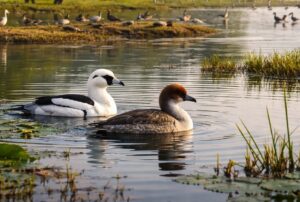
For the first time in this monitoring exercise, observers recorded the smew, scientifically known as Mergellus albellus, a striking diving duck that breeds in the taiga forests of Eurasia. The sighting has sparked discussions about climate-linked shifts in migratory patterns and the growing pressures faced by wetland ecosystems.
A Rare and Striking Visitor
The smew is not a regular winter migrant to India. Considered a rare and sporadic visitor, its sightings in the country are typically limited and localized, mostly in northern and central wetlands. Places such as Haiderpur Wetland have previously reported occasional appearances of this species. Its arrival in Kaziranga, therefore, stands out as both exciting and significant.
This diving duck is visually distinctive. The male smew displays a dramatic black mask set against a predominantly white body, creating a bold contrast that makes it unmistakable. Females, in comparison, have a subtler appearance, with mottled brown plumage that provides camouflage in marshy habitats. Beyond its striking looks, the species is known to prefer freshwater lakes and slow-moving rivers, where it dives to feed on small fish and aquatic invertebrates.
Climate Signals in Migration
Ornithologist Nilutpal Mahanta, who participated in the census, described the smew as a signal species. While its presence reflects healthy wetland conditions, its status as a vagrant- a bird occurring outside its usual wintering range- may indicate broader environmental changes.
Migratory birds are highly sensitive to variations in temperature, water availability, and habitat quality. Shifts in climate patterns can alter breeding success in northern regions and influence the timing and routes of migration. When species appear outside their known distribution zones, it often suggests adjustments driven by ecological stress or changing environmental conditions.
The smew’s journey from the Eurasian taiga to Assam could therefore be more than an isolated event. It may represent an early sign of climate-driven range shifts, where birds expand or modify their wintering grounds in response to warming temperatures or habitat disturbances elsewhere.
Importance of Refuelling Stops
The smew was recorded at Rowmari–Donduwa beels in Laokhowa, part of the greater Kaziranga landscape that spans approximately 1,302 square kilometres. It was also observed within the core areas of the park, which are globally renowned for sheltering the one-horned rhinoceros.
Wetlands like these function as vital refuelling stations for migratory birds. During long-distance journeys, waterbirds rely on such habitats to rest and replenish energy reserves. If these stopover sites degrade, entire migratory networks can collapse, affecting populations across continents.
However, these ecosystems face mounting threats. Illegal hunting continues to endanger waterbirds in many parts of South Asia. Oil pollution and industrial contamination pose additional risks, degrading water quality and reducing food availability. Protecting wetlands from such pressures is therefore not only a local conservation priority but a global responsibility.
A Landscape of Biodiversity
Kaziranga is internationally celebrated for its megafauna, particularly the greater one-horned rhinoceros. Yet the census results reaffirm that its wetlands are equally vital for avian diversity. Recording over one lakh birds across 107 species demonstrates the ecological productivity of these floodplain habitats.
The smew’s appearance adds a new chapter to this biodiversity narrative. It reminds conservationists that protected areas are dynamic systems influenced by global environmental forces. Monitoring exercises like the waterbird count provide critical data to understand these changes over time.
As climate uncertainties grow, such observations gain added importance. The unexpected arrival of a Eurasian diving duck in Assam may be a fleeting event — or it may foreshadow a new pattern in migratory behaviour. Either way, it underscores the need to safeguard wetlands, reduce pollution, and strengthen protection against hunting to ensure that Kaziranga remains a refuge not only for rhinos but also for the world’s wandering waterbirds.
References:
https://whc.unesco.org/en/list/337
https://birdsoftheworld.org/bow/species/smew/cur/introduction
https://pmc.ncbi.nlm.nih.gov/articles/PMC12120389
Banner Image: AI Generated
Sections of this article may have been developed with the assistance of artificial intelligence tools to support research, drafting and language refinement. All information has been reviewed, edited and verified by the author/editor to ensure accuracy, context and editorial integrity. The responsibility for the final content, interpretations and conclusions rests solely with the publisher.