Physical Address
23,24,25 & 26, 2nd Floor, Software Technology Park India, Opp: Garware Stadium,MIDC, Chikalthana, Aurangabad, Maharashtra – 431001 India
Physical Address
23,24,25 & 26, 2nd Floor, Software Technology Park India, Opp: Garware Stadium,MIDC, Chikalthana, Aurangabad, Maharashtra – 431001 India
As England faces soaring temperatures and dry conditions, fire chiefs across the country have issued urgent warnings about the increasing risk of wildfires. With the entire country under amber heat alerts, the National Fire Chiefs Council (NFCC) has expressed deep concern over the role of human activities—particularly barbecues—in triggering potentially devastating fires.
Surge in Wildfires Alarms Authorities
In a worrying sign of what could become a long and dangerous summer, the UK has already seen over 560 wildfires by mid-June—more than seven times the number recorded by this time last year. This staggering rise reflects not only the impact of hotter, drier conditions but also careless human behaviour.
Firefighters and environmental agencies are particularly alarmed by the use of disposable barbecues in open areas such as parks, moors, and heathland. These barbecues, when left unattended or poorly extinguished, have been responsible for several fast-spreading wildfires. Even small actions—like flicking a cigarette onto dry grass or leaving behind glass bottles—can lead to catastrophic outcomes when vegetation is parched.
Amber Heat Alerts in Place
The Met Office and UK Health Security Agency have placed England under amber heat-health alerts until at least Monday morning. This level of alert signals a high risk of heat-related health issues, especially among vulnerable groups, such as older adults and people with chronic illnesses.
In London and several other parts of the country, temperatures have already exceeded 32°C. Forecasters warn that this could be just the beginning, with the potential for temperatures to climb as high as 40°C or even 45°C later in the summer. These extremes not only threaten human health but also increase the likelihood of wildfires spreading rapidly and uncontrollably.
Health Systems Under Pressure
The concurrent heatwave has also placed significant stress on healthcare services. Hospitals and emergency response teams are seeing a rise in patients with heat-related illnesses such as dehydration, heatstroke, and respiratory problems. Vulnerable populations, particularly those aged 65 and above, are at heightened risk.
The UK Health Security Agency has urged people to stay hydrated, keep indoor spaces cool, and check in on neighbours, friends, and relatives—especially those living alone or with limited mobility.
Climate Change Behind the Extremes
Scientists point to climate change as a key factor driving the frequency and intensity of both heatwaves and wildfires. According to climate experts, a 32°C day in June is now 100 times more likely to occur than it was in the pre-industrial era. Average summer temperatures have increased by 2 to 4 degrees Celsius across much of England over recent decades, making extreme events like this more common.
The spring of 2025 was also one of the driest on record, setting the stage for highly combustible landscapes. Fire crews are finding that wildfires now burn hotter, spread faster, and last longer than they did even a few years ago.
Record-Breaking Fire Season
Already this year, England has seen more land burned by wildfires than in any previous full year since 2012. In early June, a wildfire near Holt Country Park destroyed critical wildlife habitats and forced the deployment of multiple fire stations to contain the blaze. Other significant incidents have occurred in Dorset, the Yorkshire moors, and southern Scotland, among other locations.
The NFCC reports that many of these fires are preventable, and it is appealing for public cooperation to reduce the number of avoidable incidents.
A Summer of Vigilance Ahead
With climate forecasts predicting more heatwaves and dry spells in the coming months, fire chiefs, health officials, and environmental agencies are united in their message: enjoy the summer, but do so safely.
Every individual action counts. By taking simple, preventative steps—avoiding open fires, properly disposing of smoking materials, and keeping a watchful eye on surroundings—people can help prevent destruction, save lives, and protect natural landscapes.
In this era of escalating climate impacts, personal responsibility isn’t just encouraged—it’s essential.
References:
https://www.ifrc.org/sites/default/files/2022-10/Extreme-Heat-Report-IFRC-OCHA-2022.pdf
https://www.bbc.com/news/articles/cewd7gq82lvo.amp
Banner Image:
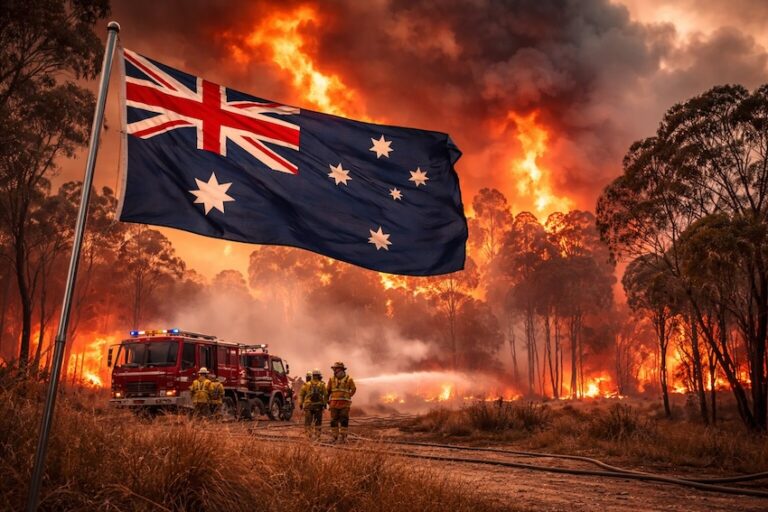
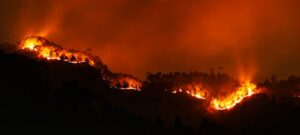
Representative Image. Photo by Arnav on Pexels
https://www.pexels.com/photo/silhouette-of-trees-in-the-burning-forest-6352761