Physical Address
23,24,25 & 26, 2nd Floor, Software Technology Park India, Opp: Garware Stadium,MIDC, Chikalthana, Aurangabad, Maharashtra – 431001 India
Physical Address
23,24,25 & 26, 2nd Floor, Software Technology Park India, Opp: Garware Stadium,MIDC, Chikalthana, Aurangabad, Maharashtra – 431001 India

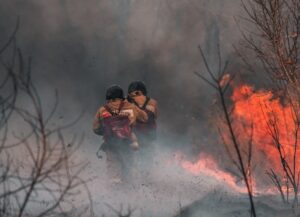
Wildfires, once seasonal and largely predictable, are now turning into a year-round crisis fueled by climate change. As global temperatures continue to rise, so do the frequency, intensity, and unpredictability of wildfires. In 2025, both California (USA) and southern France are grappling with unprecedented fire events that underscore the profound impact of a warming planet on natural disaster patterns.
This article explores how climate change is reshaping wildfire behavior in these two regions, the challenges faced by emergency services, and the urgent need for global and local action.
California: An Earlier and Longer Fire Season
Unseasonal Outbreaks in 2025
California, known for its hot and dry summers, has always been wildfire-prone. But in 2025, the fire season began more than a month earlier than usual, catching both residents and authorities off guard. By early August, multiple wildfires had already scorched thousands of acres, long before the historical peak fire season.
Climate Factors at Play
This shift in timing is directly linked to the effects of climate change:
The early start to the fire season in California is not a temporary anomaly—it is a symptom of a new, more dangerous normal.
France: Wildfires in Unexpected Places
Emerging Risks in Southern Regions
Meanwhile, in southern France, regions like Ardèche experienced unseasonal wildfires in early August 2025. These fires forced evacuations, destroyed homes, and burned large tracts of forest land—an alarming development for a country that traditionally sees its major fire risks limited to specific summer months and Mediterranean areas.
Shifting Wildfire Patterns
What makes the French experience particularly concerning is that:
This transformation is driven by prolonged droughts, hotter spring temperatures, and an overall drying trend linked to climate change.
Common Challenges: Strained Resources and Growing Risks
Firefighting Capacity Under Pressure
Both California and France are witnessing the increased strain on firefighting personnel and equipment. With fire seasons starting earlier and lasting longer:
This pressure is likely to grow if global warming continues unchecked.
Health and Displacement Impacts
Beyond the immediate destruction caused by flames, wildfires are also triggering secondary crises:
The Role of Climate Change
The common thread linking these wildfire events is human-driven climate change. According to scientists, the continued rise in greenhouse gas emissions is causing a significant shift in global climate patterns. This has led to higher average temperatures, which dry out vegetation and make landscapes more flammable. At the same time, prolonged droughts are becoming more frequent, further reducing moisture levels in forests and grasslands.
The climate crisis is also contributing to erratic rainfall patterns, where periods of intense rain are followed by long dry spells, disrupting natural ecosystems. Additionally, there is an increased frequency of extreme weather events, such as heatwaves and strong winds, which can rapidly intensify and spread wildfires across large areas.
All these factors combine to create ideal wildfire conditions across broader geographic areas and for extended periods of time.
Solutions and the Path Forward
Adaptation and Preparedness
Both countries are beginning to take steps to adapt:
However, reactive strategies are no longer enough to address the growing threat of wildfires. There is an urgent need to shift towards proactive measures, including effective vegetation management to reduce fuel loads, fire-resistant urban planning that takes into account the changing risk landscape, and widespread community education on fire safety, preparedness, and evacuation protocols.
The Need for Global Cooperation
Wildfires are now a global problem. The experiences of California and France highlight the urgency for:
Without significant global action, wildfire seasons will continue to start earlier, last longer, and become deadlier.
Conclusion
The wildfires raging in California and France are not isolated incidents—they are clear indicators of a world increasingly shaped by climate change. These events reveal the devastating consequences of delayed climate action and the urgent need to shift toward more sustainable and resilient practices.
As the planet heats up, the fire lines are moving closer to communities everywhere. The time to act is now—not when the smoke is already in the air.
References:
https://www.bbc.com/news/articles/cm2vk4xl204o
https://www.nytimes.com/2025/08/06/climate/california-earlier-fire-season.html
https://www.wri.org/insights/global-trends-forest-fires
https://www.sciencedirect.com/science/article/pii/S2590123024003773
https://civil-protection-humanitarian-aid.ec.europa.eu/what/civil-protection/wildfires_en
Banner Image: Photo by mikhail serdyukov on Unsplash