Physical Address
23,24,25 & 26, 2nd Floor, Software Technology Park India, Opp: Garware Stadium,MIDC, Chikalthana, Aurangabad, Maharashtra – 431001 India
Physical Address
23,24,25 & 26, 2nd Floor, Software Technology Park India, Opp: Garware Stadium,MIDC, Chikalthana, Aurangabad, Maharashtra – 431001 India
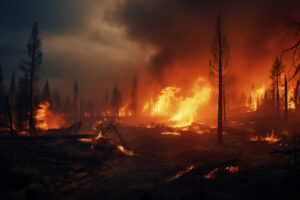
The summer wildfire season of 2026 left deep scars across Chile and Argentina, as massive blazes swept through forests, towns, and protected landscapes. Thousands of families were displaced, homes were reduced to ash, and ancient ecosystems were pushed to the brink. New scientific analysis has since confirmed what many communities already felt on the ground: climate change played a decisive role in making these fires far more likely and far more destructive.
Researchers from the international climate science network World Weather Attribution examined the extreme weather conditions that fueled the fires. Using climate models and real-world observations, they compared today’s warming world with a hypothetical world without human-driven climate change. Their conclusion was stark: global warming made the hot, dry, and windy conditions behind the 2026 fires up to three times more likely.
A perfect storm for fire
Wildfires do not erupt in isolation. They thrive when landscapes are primed by prolonged heat, low humidity, strong winds, and months of below-average rainfall. That is exactly what much of southern South America experienced this summer.
Large parts of central Chile and northern Patagonia endured severe dryness, with rainfall significantly lower than historical norms. At the same time, temperatures climbed well above seasonal averages, rapidly drying vegetation and turning forests and grasslands into vast stores of flammable fuel. Gusty winds then helped flames spread with terrifying speed once fires ignited.
Climate change intensifies each of these ingredients. Rising global temperatures increase evaporation, pulling moisture from soils and plants. Warmer air also holds more water vapor, worsening drought conditions during dry periods. Together, these shifts create longer and more dangerous fire seasons.
Chile: communities in crisis
In Chile, fires tore through agricultural and forested zones, especially in the Biobío Region and Ñuble Region. Entire neighborhoods were evacuated as flames advanced toward populated areas. More than a thousand homes were destroyed, tens of thousands of people were forced to flee, and dozens lost their lives.
Firefighters battled extreme heat and powerful winds, often struggling to contain rapidly moving fronts. By the end of January, tens of thousands of hectares had burned, prompting emergency declarations and large-scale disaster responses. Scientists found that the specific “fire weather” patterns driving this destruction would have been far rarer without climate change.
Argentina: flames in Patagonia
Across the border in Argentina, wildfires erupted in Patagonia, spreading through valleys, lakeside communities, and protected forests. Particularly alarming was the impact on Los Alerces National Park, home to ancient Alerce trees that can live for thousands of years.
Here too, the analysis showed that climate change made extreme fire weather around two-and-a-half times more likely. Vast areas of native forest and surrounding plantations burned, forcing evacuations and placing immense pressure on emergency services. For many residents, the fires meant not only the loss of homes but also livelihoods tied to tourism, farming, and forestry.
Beyond weather: human choices matter
While climate change set the stage, other factors amplified the damage. Large-scale plantations of fast-growing, highly flammable tree species have created continuous fuel corridors that allow fires to spread rapidly. In some areas, land-use practices and limited firebreaks left communities more exposed.
Natural climate variability also influenced rainfall patterns this year, but scientists stress that these cycles now operate on top of an already warmer baseline. In other words, climate change is loading the dice, making extreme outcomes more frequent.
Long-term consequences
The impacts of these fires extend far beyond the immediate destruction. Smoke pollution affects respiratory health across vast regions. Burned landscapes are more vulnerable to erosion and flooding. Wildlife habitat has been fragmented, and irreplaceable biodiversity has been lost.
There is also a climate feedback loop at work. Wildfires release massive amounts of carbon dioxide, adding to the greenhouse gases already warming the planet and increasing the likelihood of future extremes.
For displaced families, recovery will take years. Infrastructure must be rebuilt, forests restored, and psychological wounds healed. Yet without meaningful action, scientists warn that such disasters will become increasingly common.
Conclusion
These fires were not simply natural disasters — they were climate-amplified emergencies. Science now clearly shows that human-driven warming made the extreme conditions behind them far more likely. As temperatures continue to rise, the choice is becoming ever clearer: act decisively to address climate change and build resilience, or face a future where scenes of burning forests and displaced communities become the new normal.
References:
https://pmc.ncbi.nlm.nih.gov/articles/PMC4258067
https://pubs.usgs.gov/publication/pp1894E/full
https://www.sciencedirect.com/science/article/pii/S1674987123002414
https://essd.copernicus.org/articles/17/5377/2025/essd-17-5377-2025.pdf
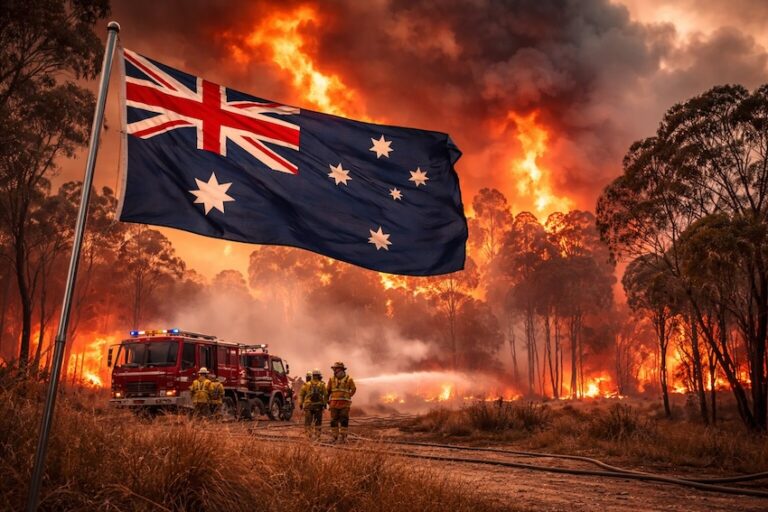
Banner Image: Photo on Freepik
https://www.freepik.com/free-ai-image/view-wildfire-burning-nature_65700693.htm#fromView=search&page=2&position=10&uuid=ba5efd8f-6f96-4894-b3d1-b6f20c6f59cc&query=wildfire
Sections of this article may have been developed with the assistance of artificial intelligence tools to support research, drafting and language refinement. All information has been reviewed, edited and verified by the author/editor to ensure accuracy, context and editorial integrity. The responsibility for the final content, interpretations and conclusions rests solely with the publisher.