Physical Address
23,24,25 & 26, 2nd Floor, Software Technology Park India, Opp: Garware Stadium,MIDC, Chikalthana, Aurangabad, Maharashtra – 431001 India
Physical Address
23,24,25 & 26, 2nd Floor, Software Technology Park India, Opp: Garware Stadium,MIDC, Chikalthana, Aurangabad, Maharashtra – 431001 India
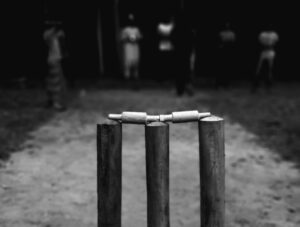
On the windswept island of Mandativu, off Sri Lanka’s northern coast, a grand vision of cricketing glory has run into an unexpected barrier: environmental law. What was meant to rise as an international-grade stadium and sprawling sports complex on 48 acres of coastal land has abruptly fallen silent. The country’s Central Environmental Authority has ordered an immediate halt to all construction until a full Environmental Impact Assessment is completed and approved.
The directive freezes a high-profile project launched with considerable fanfare in September 2025 under the patronage of President Anura Kumara Dissanayake. According to the CEA’s Director General, Kapila Mahesh Rajapaksha, the project’s developers, Sri Lanka Cricket, were formally notified that no development activity can continue on the Mandativu site until the legally mandated environmental clearance process is completed.
The order stalled a flagship infrastructure plan that promised to transform Mandativu into a sports city. But it has also reopened a deeper debate in Sri Lanka: how far development can go before it collides with the fragile ecological realities of small island landscapes.
Ecological Sensitivity of Mandativu
Mandativu is part of a fragile coastal ecosystem. Environmental experts and conservationists note that the island includes a mosaic of wetlands and mangroves – salt marshes, mudflats, mangrove forests, seagrass beds and coastal lagoons . It lies adjacent to the Mandaitivu Mangrove Reserved Forest, an area formally classified as highly sensitive under regional planning rules . These habitats serve as natural “blue carbon” ecosystems, storing greenhouse gases and buffering the mainland from storms and erosion. Many local families also depend on the lagoon and mangrove ecosystem for small-scale fishing.
Ecosystem Services Offered by Mangrove Ecosystems
Wetland habitats: Mandativu’s salt marshes, mudflats and mangroves provide breeding andfeeding grounds for fish, birds and other wildlife .
Flood retention: The island regularly floods during monsoon rains (2012, 2017 and 2025 are documented examples) . In effect it acts as a natural sponge that holds back storm surge.
Climate protection: Mangroves and seagrasses lock up carbon and absorb wave energy, reducing climate risks for Jaffna’s coast
Conservationists warn that raising and paving over these wetlands to build a stadium would increase flood risk and remove vital buffers. “Constructing a large stadium…would increase flood risk, weaken natural coastal defences, and create long-term economic and maintenance burdens,” the Wildlife and Nature Protection Society (WNPS) has pointed out . Local environmental activist Sajeewa Chamikara said to a local newspaper, Daily Mirror , that wetlands at Mandativu host migratory birds (about two million during peak season) – many of which have already been killed by ongoing clearing – and support the livelihood of fisher families . In sum, Mandativu’s ecological value is high, and experts say any large-scale development there must be carefully managed.
Legal Framework: EIA and Coastal Regulations
Sri Lankan law strictly requires environmental clearance for projects of this nature. Under the Coast Conservation and Coastal Resource Management Act, any construction in the coastal zone must first undergo an Initial Environmental Examination or full EIA and receive approval from the Coast Conservation Department . Meanwhile, the National Environmental Act (NEA) forbids starting any “prescribed project” without an approved IEE/EIA. Stadiums or multi-use sports complexes typically qualify as prescribed projects, especially when they cover large areas. WNPS notes that the NEA “unequivocally mandates that prescribed development activities shall not be commenced without prior approval…upon submission and approval of an IEE or EIA”.
Environmental and Social Risks
Environmentalists and regulators have spelled out several potential risks if construction proceeds unchecked. The main concerns include:
Flooding and Drainage Disruption: Mandativu naturally absorbs monsoon water. Filling it for a stadium would alter drainage patterns. Experts warn this will make nearby areas more prone to flooding and erosion .
Habitat Destruction: Clearing mangroves and wetlands removes storm buffers. The WNPS warns that breaking up the island’s ecosystems would mean loss of nesting areas and nursery grounds.This could “permanently damage” fish stocks and bird populations .
Fisheries Impact: The Mandaitivu lagoon supports fishing communities. Observers say theproposed sports city (with stadium, golf course, hotels, etc.) would “lead to the complete destruction of the wetland system and the collapse of the small-scale fishing industry in the Jaffna lagoon” .
Biodiversity Loss: Migratory birds — reportedly millions each season — use Mandativu as a staging ground. Environmentalists report dozens of bird deaths near construction areas, indicating stress on wildlife .
Climate Costs: Destruction of mangroves releases stored carbon, undermining climate resilience.
In short, any large development on Mandativu carries high ecological and social costs. Local groups emphasize that these threats far outweigh the immediate benefits of a new stadium, especially if mitigation is not carefully planned through the EIA process.
Halt Order and Official Stance
The CEA’s halt order is legally binding. Director General Rajapaksha has underscored that environmental compliance is mandatory: “No project, regardless of its nature or sponsor, can proceed without fulfilling environmental requirements” . He clarified that the CEA approved the process for an EIA and has given Sri Lanka Cricket two years to prepare the report . Only after the EIA is reviewed and approved will construction be allowed to resume.
At the same time, government leaders have not backed down from the overall project. President Dissanayake and his cabinet have reiterated their support for the Mandativu sports complex . Cabinet spokesman Dr. Nalinda Jayatissa recently told reporters that the government intends to “continue the construction” and would obtain the required studies, including the EIA, before proceeding . In other words, Colombo’s position is that the project itself will go ahead, but only once it clears the regulatory hurdles. Jayatissa said “other than that, no decision has been taken to stop the project” , suggesting the halt is seen as a temporary compliance step.
Development vs. Conservation: The Bigger Picture
The Mandativu case reflects a broader tension in Sri Lanka between infrastructure development and environmental protection, especially in coastal zones. In recent years, high-profile projects (ports, resorts, power plants and urban developments) have similarly collided with ecological concerns.
Sports infrastructure has not been immune: proposals like stadiums or city projects often excite public interest, but critics caution that such schemes must not overlook natural hazards. The Mandativu directive serves as a reminder that regulatory oversight can pause even politically backed projects to protect ecosystems . As CEO director general Rajapaksha put it to media , the law is explicit: until the EIA is done, “no development activity can take place” .
For now, all eyes are on the EIA process. A thorough, transparent assessment – including community consultations – will be needed to determine whether the Mandativu site can safely host a stadium and sports complex, or whether the vision must be scaled back or relocated. The outcome will have implications beyond Jaffna: it will test whether Sri Lanka can balance its goals for regional development and sports promotion with the legal and scientific standards required to safeguard fragile coastal environments.
References
http://island.lk/cea-halts-development-at-mandativu-grounds-until-eia-completion/
https://www.wnpssl.org/news/mandaitivu-island-news-01.html
Banner Image: Photo by tazain bin alam on Unsplash
Sections of this article may have been developed with the assistance of artificial intelligence tools to support research, drafting and language refinement. All information has been reviewed, edited and verified by the author/editor to ensure accuracy, context and editorial integrity. The responsibility for the final content, interpretations and conclusions rests solely with the publisher.